
The Next Generation
Professor Tom on Coaching, Opportunity, and Building Team ALBA's
Next Generation
Every academy talks about culture. Not every Brazilian Jiu-Jitsu academy can point to three coaches who grew up on the mats and never learned a bad habit anywhere else.
That's exactly what's happening at Team ALBA, the Solihull-based BJJ academy led by Professor Tom, and it's no accident.
From Pocket Money to a Coaching Career
Elijah has been coaching at Team ALBA for a while now, fitting classes in around school. This year, at 18, he's stepped away from education to coach Brazilian Jiu-Jitsu full time.
"His circumstances are very common, let's say," Professor Tom explains. "It starts out, you know, you're just trying to find a way to get some extra pocket money. Over the last year or so, I think he's done an incredible job at Soli. All the feedback we've had has been excellent. I've been there on a few occasions to watch him coach and watch him perform his class, and it was super impressive."
Watching that growth up close made the decision straightforward. "With the project over there, and the way I see it growing and the development of the team, it was a no brainer to bring him on board more formally. He's on board as a paid coach now."
The two sat down recently to talk about where Elijah sees things going, and the answer said as much about him as it did about the academy. Right now, coaching supports his own competitive career. Later, as competing takes a back seat, he might coach full time or open his own academy under the Team ALBA umbrella.
"That's such a mature decision," Tom says. "To have that maturity and that discipline to not just chase having an academy straight away and taking away from your competitive potential, it's a massive decision as well."
A Generation That Grew Up in the Room
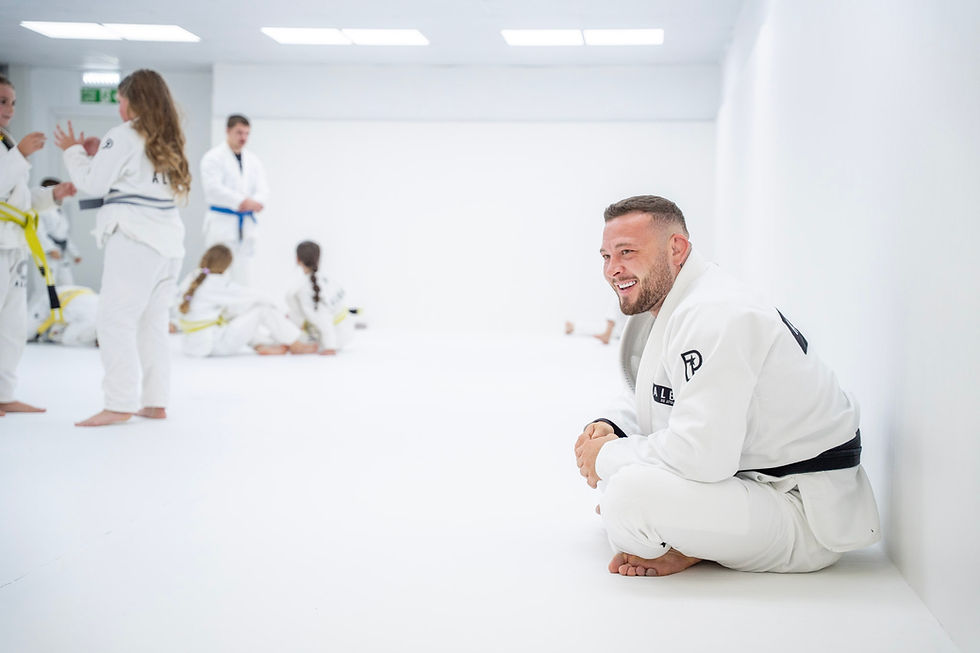
Elijah isn't on his own. He's part of a group, Jaden, Kaylen, and Elijah among them, who started training as kids or young teenagers and are now stepping into coaching roles themselves at Team ALBA.
"It's obviously super complementary to us, right? That they've grown up in the academy, they've matured in the academy, become young men, young women, and they want to get involved. They want to help out. When I see what we can do and what we can offer them, how we can give them opportunity, how we can give them a job, a career, that's why we do what we do."
There's a practical advantage too, one Professor Tom is careful to name. These coaches have never trained or taught anywhere else.
"We're not culturing anyone. We're not bringing people in that's trained elsewhere or taught elsewhere or has been teaching for the last 20 years. These guys, literally from the first class they've ever done to the classes they perform and teach today, have learned from myself. There's nothing I would want to change necessarily. They've all got their own individual personalities, which is great, and that shines through. But from a culture standpoint, they create the culture. They are the culture, essentially, of the academy, like everybody else here."
Why Coaching Opportunities Matter to Professor Tom
None of this happens by chance. Behind the black belts and the paid coaching roles is a simple idea Professor Tom keeps coming back to: give people who've grown up in the academy a real path forward, and they'll build the culture right alongside you.
It's also why Team ALBA's doors stay open all summer, no shortcuts, no easy stock T-shirts before the quality is right, and no rushing a young coach into an academy of his own before he's ready. "How you do anything is how you do everything."
For the kids currently rolling around on the mats at Team ALBA in Solihull, that's the real takeaway. Today's white belt water-fighting at Summer Seminar could be tomorrow's paid coach.


Comments